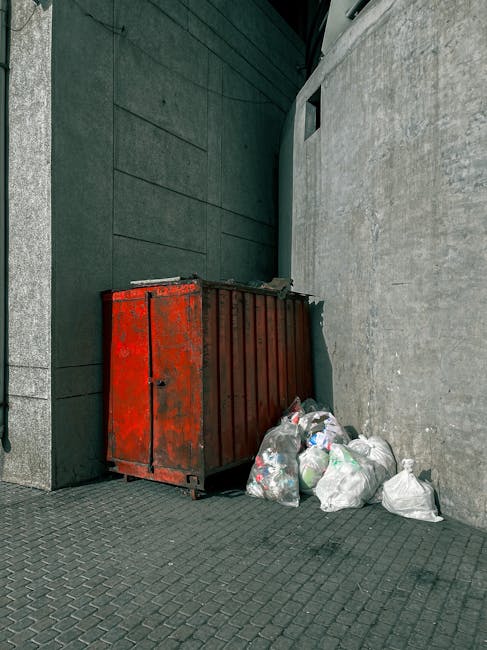
TW13 Feltham rubbish clearance street by street guide
If you live or work in TW13, rubbish has a habit of building up quietly and then suddenly becoming impossible to ignore. One week it is a broken chair in the hallway, a few bags in the shed, and some old packaging after a flat move. Next week, you are staring at a driveway, front garden, or communal bin store that looks like it has had a very long week. This TW13 Feltham rubbish clearance street by street guide is here to make the whole job feel less messy, less risky, and a lot more manageable.
Feltham is a patchwork of residential streets, flats, side roads, maisonettes, back alleys, small businesses, and tighter access points. That means rubbish clearance is rarely one-size-fits-all. What works on a wide suburban road may be awkward on a busy terrace or a flat above a shop. The aim here is simple: help you understand how rubbish clearance in TW13 works street by street, what to check before you book, and how to avoid the common mistakes that cost time, money, or both.
For readers who want a fuller service overview alongside this local guide, pages like waste removal, house clearance, and flat clearance are useful starting points. You do not need to guess your way through it. There is a sensible order to the work, and once you understand that order, everything gets easier.
Table of Contents
- Why TW13 Feltham rubbish clearance street by street guide Matters
- How TW13 Feltham rubbish clearance street by street guide Works
- Key Benefits and Practical Advantages
- Who This Is For and When It Makes Sense
- Step-by-Step Guidance
- Expert Tips for Better Results
- Common Mistakes to Avoid
- Tools, Resources and Recommendations
- Law, Compliance, Standards, or Best Practice
- Options, Methods, or Comparison Table
- Case Study or Real-World Example
- Practical Checklist
- Conclusion
- Frequently Asked Questions
Why TW13 Feltham rubbish clearance street by street guide Matters
The reason a street-by-street approach matters in TW13 is simple: access changes everything. A clearance on a broad road near the main routes is a very different job from a removal on a narrow residential street with limited parking, resident permit pressure, or awkward turning space. Even the best pile of sorted rubbish can become a problem if the vehicle cannot stop safely, or if items must be carried a long way.
Feltham also mixes housing types. You will find family homes, low-rise blocks, split-level properties, small offices, shops, and mixed-use buildings. That variety means the same clearance team may need to handle a garden strip one hour and a third-floor flat the next. Truth be told, that is where a lot of people get caught out. They focus on what they want removed, but not on how it will actually leave the property.
Street-by-street planning helps in three ways. First, it sets realistic expectations. Second, it reduces disruption to neighbours and passers-by. Third, it helps you choose the right service rather than overpaying for the wrong one. If the job includes bulky household items, for example, it may be more relevant to look at furniture clearance or furniture disposal rather than a general collection.
Expert summary: in TW13, the best rubbish clearance plan is not just about volume. It is about access, timing, item type, loading space, and how neatly the job can be completed without causing avoidable stress.
How TW13 Feltham rubbish clearance street by street guide Works
A street-by-street guide is really a planning method. You break the area into practical local conditions rather than treating all of Feltham as identical. One street may allow a fast roadside load. Another may need a small-team carry-out from a rear entrance. A third might have bins, shared walkways, or resident-only access that changes the whole routine.
In practical terms, the process usually looks like this:
- Identify the street and property type. Is it a house, flat, maisonette, office, shop, or mixed-use unit?
- Assess access. Think about parking, stairs, lift use, back-garden access, alleyways, and where a vehicle can legally stop.
- Sort the waste. Separate general rubbish from reusable items, garden waste, construction debris, electricals, and anything that needs special handling.
- Match the service to the job. For example, a DIY clear-out may suit builders waste clearance, while a cluttered loft or storage space may need loft clearance.
- Plan the collection day. Good timing avoids blocked entrances, missed parking windows, and neighbour complaints.
- Load, remove, and sweep up. The job is not really finished until the area is left tidy.
You can think of it as a small logistics job, not just a lifting job. That is the bit people underestimate. It sounds obvious, but rubbish clearance goes far more smoothly when the route from pile to vehicle has been checked properly beforehand.
If the clearance is happening at a business premises rather than a home, the planning changes again. In that case, business waste removal or office clearance may fit better, especially where bins, deliveries, customers, or staff movement are part of the picture.
Key Benefits and Practical Advantages
There are a few very real advantages to taking a local, street-aware approach to rubbish clearance in TW13. Not glamorous, maybe, but useful. And that is the point.
- Less disruption: Clear planning reduces blocked pavements, awkward doorways, and noisy back-and-forth trips.
- Better timing: You can avoid busy parking periods, school-run traffic, and awkward neighbour moments.
- Safer loading: Knowing where the vehicle sits means fewer carrying hazards and less chance of damage.
- Cleaner finish: When access is planned properly, the removal tends to leave the space tidier.
- More accurate pricing: The clearer the access and item list, the more realistic the quote is likely to be. See pricing and quotes for the sort of information that usually matters.
- Better recycling outcomes: Good sorting at source makes reuse and recycling more practical, especially for mixed loads.
There is also a quiet emotional benefit that people do not always mention. A clear hallway, cleared garage, or empty front room can make a place feel breathable again. It changes the tone of a home. You notice the echo. You notice the light.
And yes, it can be a relief just not to trip over the same old item every time you pass by it.
Who This Is For and When It Makes Sense
This guide is useful if you are in any of the following situations:
- moving house and clearing unwanted items before or after the move
- emptying a flat, maisonette, or rental property between tenancies
- tidying a garden, shed, or garage that has become a catch-all for years of things
- removing broken furniture, old appliances, or bulky household waste
- dealing with builder offcuts after a refurbishment or minor renovation
- clearing an office or small business unit without shutting the place down
If you are dealing with a full property, home clearance or house clearance may be the better lens. If the issue is mainly one room, one garage, or one loft, a more focused service is often enough. That is where a lot of people save money. They do not hire a broad service for a narrow problem.
It also makes sense when you need predictable timing. Some clearances are flexible; others are not. If a tenancy deadline, sale completion, or end-of-project handover is involved, then street-by-street thinking is not a luxury. It is how you stop the day going sideways.
Step-by-Step Guidance
Here is a practical way to approach rubbish clearance in TW13 without overcomplicating it.
1. Walk the route from the pile to the vehicle
Start inside the property and follow the route out. Ask yourself: where will each item go, where will it turn, and where can it be set down if you need a pause? Hallways, stairwells, narrow porches, and garden gates can all slow a job down.
2. Identify the waste type
Do not leave everything in one vague pile if you can help it. Separate general rubbish, metal, wood, cardboard, green waste, and furniture. If there are mattresses, wardrobes, or white goods in the mix, make that clear from the start.
3. Check loading and parking options
On some TW13 streets, roadside stopping is straightforward. On others, it is not. A collection that looks quick on paper can turn awkward if the vehicle needs to park far away. That matters for time, for safety, and for cost.
4. Decide whether the job is a partial or full clearance
Sometimes you only need a selective removal. Other times, the entire area needs emptying. Be honest here. A partly cleared room can still feel messy if the real problem is clutter, not volume.
5. Prepare fragile or high-value items separately
If you are keeping documents, photos, tools, or electronics, move them out of the working zone early. It sounds basic, but one rushed lift near a stack of personal items is all it takes.
6. Ask about recycling and disposal approach
A good clearance should not end at the kerb. Ask how items are handled, whether reusable goods are separated, and what happens to mixed loads. If sustainability matters to you, the page on recycling and sustainability is worth a look.
7. Confirm payment and paperwork details
Make sure the collection terms, any assumptions, and payment method are clear before the day arrives. The small print matters more than people think. If you want a clearer picture of how the company handles transactions, payment and security is the sensible place to check.
Expert Tips for Better Results
These are the little things that make a job smoother. Not dramatic, just useful.
- Take photos before booking. A few clear photos of the items and access route help avoid surprises.
- Leave the route open. If the team has to step around shoes, prams, boxes, and garden furniture, the job slows down fast.
- Label keep, remove, and unsure items. Even one label on a bag can save an awkward mistake.
- Book for a time when the street is calmer. Mid-morning often feels easier than the school-run window or late afternoon rush.
- Separate sharp or heavy items. Broken glass, nails, and awkward metal bits should not be hidden in mixed rubbish.
- Use the right service for the material. A garden pile is not the same as renovation debris. Garden clearance suits soil, branches, leaves, and outdoor waste far better than a general catch-all.
One small but important point: if you are clearing a garage, do not assume it is only one category of waste. In real life, garages contain a bit of everything. Paint tins, old bikes, tools, broken shelving, random bags of who-knows-what. That is normal. A proper garage clearance should be planned around that reality, not a neat fantasy version of it.
Common Mistakes to Avoid
Rubbish clearance sounds straightforward until it is not. These are the missteps that cause most frustration.
- Underestimating access. The load size matters, but the route matters just as much.
- Mixing everything together. Once items are piled together carelessly, sorting takes longer.
- Forgetting about parking restrictions. A perfectly good plan can unravel if the vehicle cannot stop nearby.
- Leaving fragile items too close to the removal zone. It only takes one misplaced lift.
- Choosing the wrong service type. A flat, office, garage, or loft may need a different approach.
- Waiting until the last minute. This is the classic one. We have all done it, but it rarely feels clever on the day.
Another common problem is not checking what should stay and what should go. If you have a mixture of old furniture, paperwork, cables, and personal effects, pause before the team arrives. Once removal starts, it is much harder to reverse a mistake than people expect.
Tools, Resources and Recommendations
You do not need specialist equipment for every clearance, but a few basics help a great deal.
- Heavy-duty bags or boxes: useful for smaller loose waste and mixed household items
- Labels or tape: ideal for marking keep, remove, and fragile items
- Gloves: sensible for handling dusty or awkward waste before collection
- Measuring tape: helpful if you are trying to judge whether bulky furniture will fit through a route
- Phone photos: the quickest way to explain the job clearly when you request a quote
From a service perspective, it helps to know which page matches your job before you enquire. For example, a property emptied after a tenancy may lean towards flat clearance, while a larger family property might suit a broader home clearance. If the contents are mostly furniture, then furniture clearance is probably the more precise option.
If you want to understand the company background before you book, the about us page is useful. For practical questions about how to start, the contact us page is the obvious next stop.
Law, Compliance, Standards, or Best Practice
Clearance work in the UK sits inside a framework of ordinary legal and practical responsibilities. You do not need to become an expert overnight, but you should know the basics.
First, waste should be handled responsibly. That means not dumping it, not leaving it somewhere it should not be, and not assuming "someone else will sort it out." Proper waste removal should follow recognised good practice for handling, transport, and disposal. That is especially true for items that may contain sharp edges, break easily, or require careful segregation.
Second, safety matters. Lifting, carrying, and moving furniture down stairs can go wrong quickly if the route is cramped or the load is underestimated. The right approach is cautious, not heroic. A few extra minutes planning the carry route is better than a twisted back and a scratched wall. Simple, really.
Third, trust matters. If you are booking a service in your property, you want reassurance about conduct, safety, insurance, and complaint handling. Those details are not glamorous, but they are part of professional practice. You can review related company information such as insurance and safety, health and safety policy, and complaints procedure if you want a better sense of how a provider frames those responsibilities.
Finally, if you are unsure about a specific item type, ask before collection day. Special items, mixed construction debris, or large quantities of waste may need a more precise plan. That is not fussiness. That is good practice.
Options, Methods, or Comparison Table
Different jobs in TW13 suit different clearance methods. The right choice depends on how much there is, what the items are, and how easy the access is. Here is a simple comparison.
| Method | Best for | Strengths | Limitations |
|---|---|---|---|
| DIY sort-and-tip | Very small loads, mixed household bits | Low upfront spend, full control | Time-consuming, vehicle and disposal risks, hard work |
| Partial professional collection | Bulky items, one room, garage, loft, garden | Fast, targeted, less disruption | Needs accurate item list and access details |
| Full property clearance | Moves, probate-style emptying, end-of-tenancy jobs | Most efficient for larger jobs, cleaner finish | Requires stronger planning and clearer instructions |
| Specialised waste removal | Builder offcuts, office waste, garden material | Better match for specific waste streams | Less suitable if the load is highly mixed |
To be fair, there is no single "best" method for everyone. A small flat with a broken sofa and a few bags of clutter will not need the same setup as a long-neglected loft or a shop stockroom. The trick is matching the method to the mess, not the other way around.
Case Study or Real-World Example
Here is a realistic TW13 scenario. A resident in a terraced street in Feltham needed a mixed household clearance after finally tackling a spare room that had become storage for years. Nothing dramatic, just the kind of room that slowly fills with an old armchair, boxed-up ornaments, a broken desk, seasonal decorations, and bags that had been "sorted" three times already.
The main issue was not the amount. It was the route. The front access was narrow, the street parking was tight, and there was no point pretending the job would be simple just because the room itself looked manageable. The solution was to separate the items into furniture, bagged waste, and keep-piles before the team arrived. That made the collection smoother and reduced the number of awkward backtracks through the hallway.
Because the furniture had to go as part of the clearance, the job leaned more towards furniture disposal than a general clean-out. The result was not just a clear room, but a room that could actually be used again. A desk went in, the light came back, and the space started doing its proper job. Simple outcome. Big relief.
That is the kind of thing people often forget. Clearance is not only about removing waste. It is about recovering space, use, and calm. Sounds a bit sentimental, maybe, but it is true.
Practical Checklist
Use this before booking any rubbish clearance in TW13.
- Confirm the exact street and property type
- Check access routes, stairs, gates, and parking restrictions
- List the main item types: furniture, garden waste, builders waste, mixed rubbish, office items
- Separate keep items from remove items
- Take a few photos of the load and access points
- Decide whether the job is partial or full clearance
- Ask about recycling, reuse, and disposal handling
- Check payment expectations and any service terms
- Make the route clear on the day
- Double-check fragile or personal items before work starts
That is the short version. If you do only one thing, make it the access check. It saves more headaches than people realise.
Conclusion
TW13 rubbish clearance works best when you stop thinking of it as a generic waste job and start treating it as a local access-and-logistics job. That shift alone makes decisions clearer. You choose the right service, you prep the property better, and you avoid a lot of last-minute faff. Not every street in Feltham behaves the same, and that is exactly why a street-by-street approach helps.
Whether you are clearing a flat, a family house, a garage, a loft, or a business unit, the same principle applies: know the route, know the waste, and match the method to the site. If you want to explore the wider service options, pages such as house clearance, office clearance, and waste removal can help you decide what fits best.
Get a free quote today and see how much you can save.
When the clutter finally goes, the room feels lighter. That part never really gets old.
Frequently Asked Questions
What does a street by street rubbish clearance guide actually mean?
It means planning rubbish removal around the specific street, access conditions, parking, property type, and local layout instead of treating all of TW13 as identical. It is a practical way to avoid delays and awkward surprises.
Is rubbish clearance in TW13 different for flats and houses?
Yes. Flats often involve stairs, shared entrances, lifts, or tighter parking, while houses may offer easier access but larger volumes. The right approach depends on the building, not just the waste.
Can I mix furniture, bags of rubbish, and garden waste in one clearance?
Often yes, but it helps to separate items where possible. Mixed loads can be collected, though clearer sorting usually makes the job quicker and more straightforward.
What should I do before the clearance team arrives?
Remove keep items from the area, clear the route, label anything fragile or personal, and take photos if needed. A few minutes of prep can save a lot of confusion.
How do I know whether I need house clearance or waste removal?
If the job is mainly emptying a property, house clearance is usually the better fit. If you mainly have loose rubbish or mixed waste, waste removal may be more appropriate.
What if access on my street is tight?
That is common in parts of TW13. Tight access does not stop a clearance, but it does affect planning, timing, and the amount of carrying involved. Always mention it early.
Do I need to be home during the clearance?
Usually it is best to be available at the start so you can confirm what stays and what goes. After that, it depends on the arrangement and how comfortable you are with the process.
Can old office equipment be cleared from a business premises in Feltham?
Yes, and that is often handled separately as business waste removal or office clearance. It is wise to identify screens, printers, desks, and mixed office waste clearly in advance.
What is the best way to handle a garage full of mixed items?
Start by grouping items into keep, remove, recycle, and unsure piles. A garage often contains old tools, shelving, boxes, broken furniture, and garden bits all together, so a garage clearance is usually the cleanest solution.
How long does a rubbish clearance usually take?
That depends on volume, access, and item type. A small clearance can be quite quick, while a full property or difficult access job takes longer. The street layout in TW13 can make a bigger difference than people expect.
What should I ask before booking?
Ask what is included, how access affects the job, what happens to recyclable items, how payment works, and whether the team needs photos first. If you want to understand company details beforehand, the about us page is a sensible place to begin.
Is there a more eco-conscious way to clear rubbish?
Yes. Sorting items in advance, separating reusable goods, and choosing a service that values responsible handling all help. If this matters to you, have a look at recycling and sustainability.
What if I am not sure which service page fits my job?
That is normal. Some clearances sit between categories. Start with the broadest match, then narrow it down using the property type and the main waste items. If you need help, the contact us page is the practical next step.